
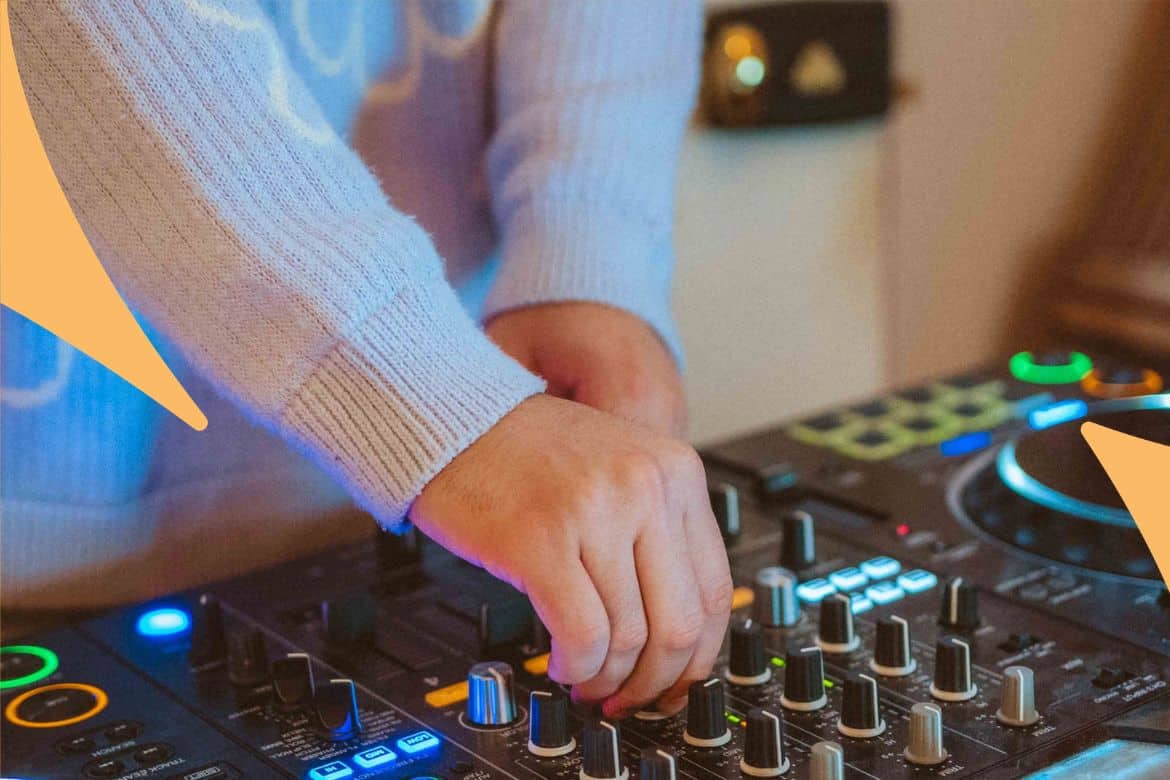
Music production has become radically accessible. What used to require expensive studios, specialized engineers, and highly technical environments can now happen entirely from a laptop. Recording, mixing, releasing, everything has moved closer to the artist. Mastering followed the same path. And yet, it remains one of the most misunderstood stages of making music. Most artists know it matters. Very few actually know what it does.
As more independent musicians release music on their own, learning how to approach mastering at home is becoming less of a niche skill and more of a normal part of the process.
📢 What mastering actually does (and what it doesn’t)
Mastering is often described as the final polish of a track. That’s true, but it’s also a bit misleading. What mastering really does is translation. It makes sure a track sounds balanced everywhere, headphones, cars, clubs, laptop speakers. It shapes the overall frequency balance, controls dynamics, and prepares a song for distribution.
What it does not do is fix a bad mix. And this is where many misunderstand the process. If something feels wrong in the production, mastering usually won’t solve it. It can enhance what’s there. It can’t rebuild it. A strong mix makes mastering simple. A weak mix makes it complicated.
That boundary matters a lot when working from home.
🏠 Why more artists are mastering at home
The shift toward home mastering is partly technical, partly cultural. Production tools are cheaper. Distribution is instant. Release cycles are faster. Artists want more control over how their music sounds and when it comes out.
For independent musicians especially, mastering at home offers:
- speed
- autonomy
- lower costs
- flexibility
You can finish a track and release it days later. You can revise endlessly. You can learn by doing. But accessibility doesn’t remove complexity. It just changes where the responsibility sits.

🧠 What’s realistic without a studio
Professional mastering environments exist for a reason. They are built for precision. Treated rooms, high-end monitoring, and experienced engineers provide something difficult to replicate at home: objectivity.
A home setup is different. Rooms are imperfect. Speakers vary. Ears get tired. Still, strong results are absolutely possible. Especially for independent releases, early projects, or artists who release frequently.
The goal isn’t perfection. It’s consistency.
And usually, less processing works better than more. Small adjustments. Careful listening. Subtle changes. That approach tends to translate better than aggressive corrections.
🛠️ Tools commonly used for home mastering
Software has simplified mastering dramatically over the past few years. Processes that once required complex chains are now accessible through intuitive interfaces.
Some tools commonly used by independent artists include:
• iZotope Ozone: a complete mastering environment combining EQ, compression, limiting, and AI-assisted suggestions. It helps guide decisions rather than replace them.
• LAND: an automated online mastering service that analyzes tracks and applies processing instantly. Useful for quick references or fast release workflows.
• FabFilter plugins: widely used for precise control over EQ and dynamics, especially among more experienced producers.
Reference track tools are also increasingly important. Comparing your track to professionally mastered music often reveals more than processing alone. Technology lowers the barrier. Listening skills still matter most.
📈 What this means for independent artists
DIY mastering reflects something bigger than just production technique. It shows how the role of the artist is expanding.
Artists are no longer only creators. They manage production, distribution, and presentation. They shape how their music enters the world from start to finish. This brings more freedom, but also more responsibility. Technical decisions now directly affect how music translates on streaming platforms and how listeners experience it.
The line between creative and technical work continues to blur.
🌱 DIY mastering as a creative decision
Mastering at home is not simply a budget alternative. It represents a different relationship to the production process. But for many independent artists, home mastering offers a practical and creative path forward.
As music production continues to decentralize, the ability to understand and manage mastering is becoming less of a specialized skill and more of a standard part of making music. The final stage of a track is no longer always external. It increasingly happens where the music begins. Want feedback on your new music? Send your demo now!